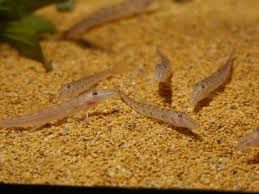
Horseface Loach
Share
R115.00
Buy and save
Buy and earn R0.23 Loyalty for your next purchase
Loyalty is a discount program that lets you buy products and earn points to redeem on your next purchase. Your Loyalty balance is updated when you pay online or in-store. The Loyalty amount shown on this page can be recalculated at the checkout.
In stock
Horseface Loach
Share
Product details
Horseface Loach Care Guide
The Horseface Loach is a peaceful, bottom-dwelling fish known for its elongated “horse-like” snout and burrowing behavior. It’s a shy yet interesting addition to a well-maintained aquarium and is best kept by intermediate aquarists due to its specific needs.
Quick Overview
-
Common Name: Horseface Loach
-
Scientific Name: Acantopsis rungthipae
-
Origin: Southeast Asia (Thailand, Malaysia, Indonesia)
-
Size: Up to 6–8 inches (15–20 cm)
-
Lifespan: 8–12 years with proper care
-
Temperament: Peaceful, shy, bottom-dweller
-
Activity: Primarily nocturnal
Tank Requirements
| Feature | Details |
|---|---|
| Tank Size | 100+ Liter (larger for groups) |
| Group Size | Best kept singly or in a large tank with multiple loaches (they're not strongly social) |
| Substrate | Fine sand is essential for burrowing |
| Décor | Smooth rocks, driftwood, leaf litter, hiding spots |
| Filtration | Moderate flow, well-oxygenated water |
| Lighting | Dim or subdued (they prefer low light) |
| Tank Lid | Tight-fitting — they are jumpers |
Water Parameters
| Parameter | Ideal Range |
|---|---|
| Temperature | 75–82°F (24–28°C) |
| pH | 6.5–7.5 |
| Hardness | Soft to moderate (5–15 dGH) |
| Water Quality | Very clean; sensitive to pollutants |
Regular water changes (25–30% weekly) are essential.
️ Diet
Horseface Loaches are omnivores and scavengers but prefer protein-rich diets.
-
Staples: Sinking carnivore pellets, bottom-feeder wafers
-
Live/Frozen Foods: Bloodworms, blackworms, brine shrimp
-
Occasional: Daphnia, tubifex, crushed snails
-
Feeding Time: Late evening or night when they’re most active
Behavior & Tank Mates
-
Often burrow in sand with only their eyes exposed
-
Shy and secretive, especially during the day
-
Non-aggressive; may be outcompeted by fast eaters
Good tank mates:
-
Peaceful mid- and top-dwellers like tetras, rasboras
-
Other loaches (Kuhli, Yo-yo, etc., in large enough tanks)
-
Corydoras (if enough bottom space)
-
Gouramis, dwarf cichlids
Avoid:
-
Aggressive or territorial fish
-
Fin-nippers and fast eaters that hog food
-
Bare-bottom tanks (they need sand to thrive)
Breeding
- Sexual differences are unclear; little breeding info is available
✅ Summary
| Category | Info |
|---|---|
| Experience | Intermediate |
| Temperament | Peaceful, shy, burrowing |
| Best Substrate | Fine sand (essential) |
| Max Size | 6–8 inches (20 cm) |
| Tank Level | Bottom |
Display prices in:ZAR