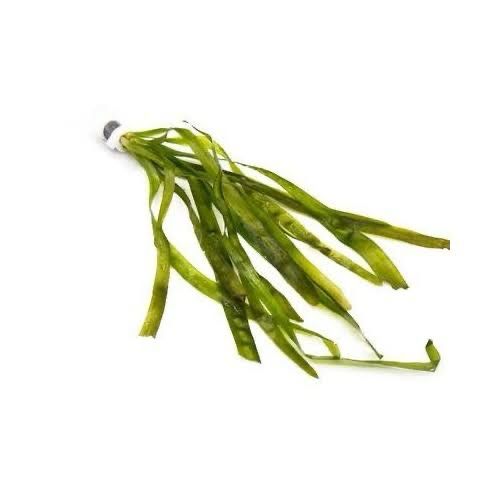
Vallisneria Giant
R46.00
In stock
Save this product for later
Vallisneria Giant
Product Details
Vallisneria is a popular and hardy aquatic plant commonly used in aquascaping and aquarium setups. Known for its tall, grassy leaves and its ability to thrive in a variety of conditions, Vallisneria is often used as a background or midground plant in aquariums. It’s a great choice for both beginner and experienced aquarists, as it’s relatively easy to care for and grows quickly. This plant can add lush vertical height to your tank and is perfect for creating a natural, flowing appearance.
Types of Vallisneria:
- Vallisneria americana: One of the most common types, known for its long, ribbon-like leaves.
- Vallisneria spiralis: A slightly shorter variety, often with a more curly or spiral-like leaf structure.
- Vallisneria nana: A smaller variety, ideal for smaller tanks or those with lower light.
Care Tips for Vallisneria:
-
Light Requirements:
- Vallisneria can adapt to a range of lighting conditions, but it thrives best in moderate to high light. In low light, it may grow slowly and become less dense, but it can still survive. High light encourages faster growth and a more vibrant, lush appearance.
- If the light is too intense, it may encourage excessive algae growth, so monitor for balance.
-
Water Parameters:
- Temperature: Vallisneria prefers tropical temperatures between 72–82°F (22–28°C). It’s quite adaptable to different temperature ranges within this window.
- pH: Vallisneria is not particularly picky about pH but does best in slightly acidic to neutral water (pH range of 6.5–7.5). It can tolerate slightly alkaline water as well.
- Hardness: This plant can thrive in soft to moderately hard water. It’s very adaptable to varying water hardness levels, making it a good plant for most tank setups.
-
Substrate:
- Vallisneria benefits from a nutrient-rich substrate but can also grow in gravel or sand as long as the water conditions are favorable. It has long, fibrous roots that anchor it securely in the substrate, but it does best when given enough nutrients to support its fast growth.
- Root tabs are a good addition if you're using a less nutrient-dense substrate to ensure the plant gets all the essential nutrients it needs.
-
Growth Rate:
- Vallisneria is a fast-growing plant and can quickly fill out a tank. It’s an excellent choice for covering the background and providing a natural, flowing look in the aquarium. Given the right conditions, it can grow several inches per week, and it will spread through runners (small offshoots that grow from the main plant), which allows it to propagate easily.
-
Pruning:
- Pruning Vallisneria is usually not necessary unless it begins to overtake the tank or grow too tall for the space. You can trim the leaves at the base to control height or to remove any older, yellowing leaves.
- Keep in mind that cutting the plant too much can cause it to produce more runners, so moderation is key when trimming.
-
Fertilization:
- Vallisneria benefits from regular fertilization to promote healthy growth. While it will survive in nutrient-poor substrates, adding liquid fertilizers and root tabs will ensure that the plant has enough essential nutrients, particularly iron and potassium.
- CO2 supplementation can help speed up growth, especially in high-light setups, but it’s not required for Vallisneria to do well.
-
Positioning in the Tank:
- Vallisneria is typically a background or midground plant, depending on the species and the size of the tank. Its long, ribbon-like leaves can grow quite tall and spread across the back of the aquarium, making it a great choice for creating natural hiding spots for fish and vertical structure in the aquascape.
- It’s also an excellent plant to anchor at the back corners of a tank to help frame the aquascape or provide a sense of depth.
Interesting Facts:
-
Fast Growth:
- Vallisneria is well-known for its rapid growth, which can help compete with algae for nutrients, making it a natural algae controller in aquariums. As it grows, it absorbs excess nutrients (like nitrates and phosphates), which can help reduce the chance of algae blooms.
-
Reproduction via Runners:
- Vallisneria reproduces by sending out runners, which are small offshoots that form new plants. These runners can quickly create a dense colony of Vallisneria in the tank if left unchecked. This ability to reproduce vegetatively allows it to spread and cover large areas of the substrate or water surface.
-
Native Habitat:
- Vallisneria is native to shallow, slow-moving waters, such as ponds, lakes, and wetlands, where it naturally grows submerged or partially submerged. This explains why it is so well-adapted to aquarium life—it’s naturally suited for low-light, stagnant conditions but can thrive under higher-light aquarium conditions as well.
-
Fish-Friendly:
- Vallisneria provides great cover for shy fish, fry, and shrimp, giving them plenty of space to hide and reducing stress in the tank. The dense leaves create a natural environment for small creatures, making it especially beneficial in community tanks or tanks with baby fish that need protection from larger tankmates.
-
Variety of Species:
- There are several varieties of Vallisneria, each with different leaf shapes, sizes, and growth habits. Some species have long, narrow leaves, while others have broader or more curly foliage. The most common species include:
- Vallisneria americana: Known for its tall, narrow leaves and vigorous growth.
- Vallisneria spiralis: Has curly, spiral-shaped leaves, a unique variation of the species.
- Vallisneria nana: A dwarf variety that’s ideal for smaller aquariums.
- There are several varieties of Vallisneria, each with different leaf shapes, sizes, and growth habits. Some species have long, narrow leaves, while others have broader or more curly foliage. The most common species include:
-
Oxygenation:
- Like many aquatic plants, Vallisneria contributes to oxygenating the tank. It takes in carbon dioxide (CO2) during the day and releases oxygen, which helps improve the water quality and creates a healthier environment for fish and invertebrates.
Fun Fact:
- The long, grass-like appearance of Vallisneria has earned it the nickname "the eelgrass," but unlike real eelgrass, it’s a true aquatic plant in the Alismataceae family, which is a different family from eelgrass.
Display prices in:ZAR